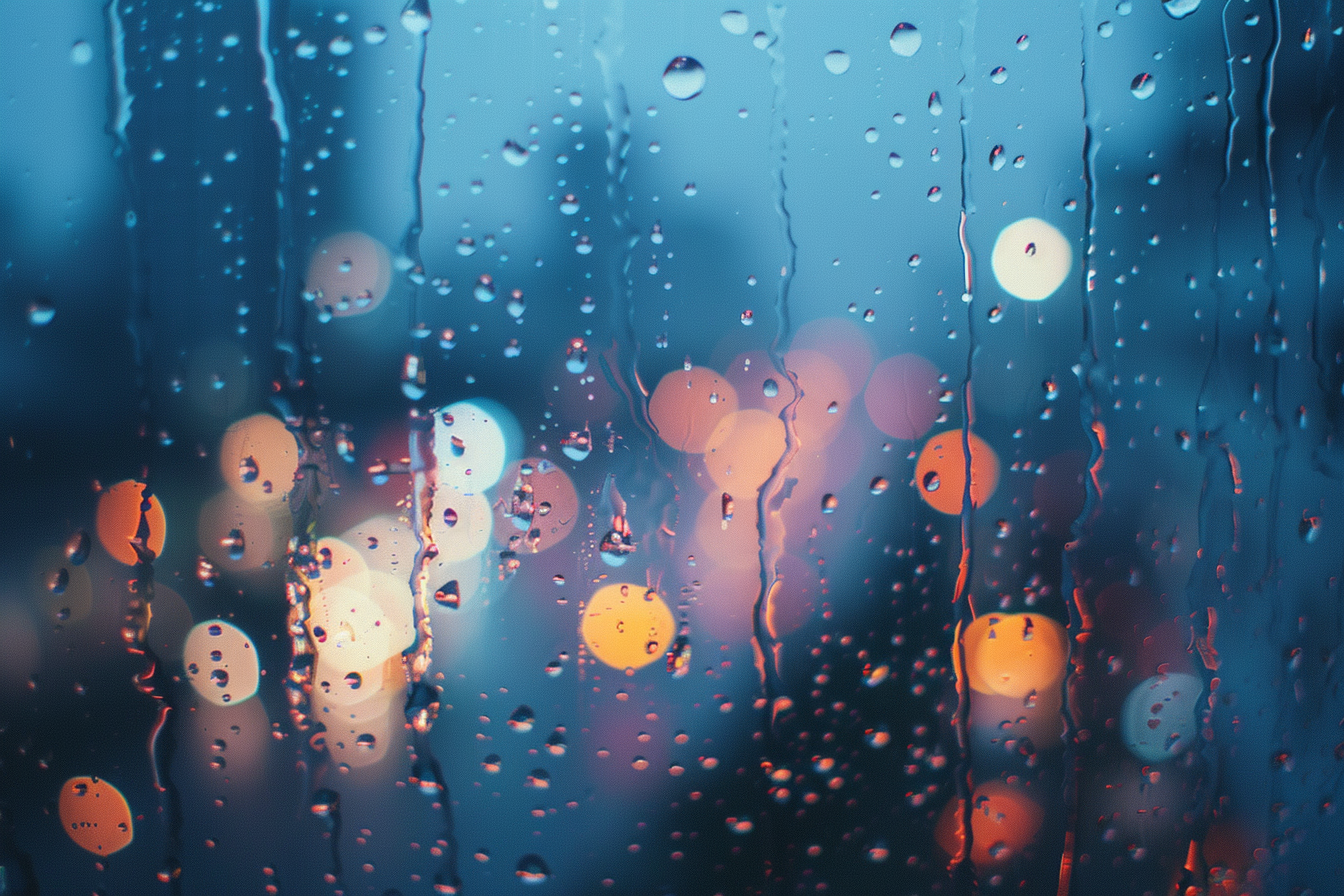
So I have this embarrassing habit where I pay $4.99 a month for a rain sounds app.
Let me repeat that: I literally pay money every month to listen to fake rain on my phone while actual free rain is happening outside my window approximately 200 days a year because I live in Portland.
The absurdity is not lost on me.
But here’s the thing that gets me, I’m not alone in this. Rain sound apps are a multi-million dollar industry. There are entire YouTube channels dedicated to 10-hour loops of rain sounds that have millions of views. People are downloading, streaming, and paying for simulated rain while simultaneously complaining about actual rain.
What is happening here??
Why Rain Sounds Hit Different
I started actually researching this (because apparently I can’t just enjoy things without turning them into work), and the psychology is fascinating. Rain sounds occupy this weird sweet spot in our acoustic preferences that almost nothing else hits.
First, there’s the frequency thing. Rain produces what’s called “pink noise,” a specific type of sound where lower frequencies are more prominent than higher ones. It’s similar to white noise but less harsh, more organic. Our brains find pink noise incredibly soothing because it masks other sounds without being intrusive itself.
But it’s deeper than that. Rain sounds are also what acoustic ecologists call “chaotic yet patterned.” There’s variation, every raindrop hits at a slightly different time and makes a slightly different sound, but there’s also consistency. Your brain can predict the general pattern while still being surprised by the specifics. This combination keeps you engaged without demanding attention.
It’s like the auditory equivalent of watching a fire. Endlessly interesting, infinitely calming.
The Memory Thing (Of Course There’s a Memory Thing)
Rain also carries intense emotional associations for most people. Think about what rain meant in your childhood. For me, it meant staying inside, board games, reading in a blanket fort while the world outside got soft and quiet.
Rain meant safety. Rain meant you were allowed to just be instead of do.
As adults, we’re desperately trying to recreate that feeling. We can’t actually take a day off every time it rains (believe me, I’ve tried, I live in Portland, it doesn’t work). But we can put on rain sounds and trick our nervous systems into thinking we’re in that safe, cozy, permission-to-rest space.
We’re literally using sound to time-travel back to childhood comfort.
But Here’s Where It Gets Weird
The rain sounds we’re paying for? They’re often not real rain.
I went down a rabbit hole researching this, and a lot of popular rain apps and videos use synthesized or heavily processed sounds. Some are literally just loops of the same 30 seconds repeated. Some mix in sounds that rain doesn’t actually make (distant thunder on loop, wind chimes, soft piano) to make it “more relaxing.”
We’re not even listening to rain anymore. We’re listening to the idea of rain, an idealized sonic simulation that’s been optimized for maximum calmness.
And somehow? We prefer the fake version.
I tested this on myself. Recorded actual rain outside on my deck, then compared it to my favorite rain app. The real rain had neighborhood sounds, occasional car doors, a dog barking somewhere, all the messy reality of actual urban rain. The app version was pure, clean, consistent, and “perfect”.
Guess which one helped me sleep better? Yeah. The fake one.
I felt like I’d betrayed everything I stand for.
What Real Rain Actually Sounds Like
Once I started paying attention, I realized that real rain has incredible acoustic variation that we completely ignore when we’re chasing the “perfect” rain sound.
Light drizzle on leaves sounds completely different from heavy downpour on pavement. Rain on a metal roof versus rain on grass versus rain on water, all distinct soundscapes. The sound changes throughout a storm, starts soft, builds, plateaus, fades. There’s spatial depth, near rain sounds different from far rain.
Real rain is a whole symphony, and we’ve reduced it to a single note because that’s more “relaxing.”
But here’s what I’ve started doing: instead of reaching for the app, I actually open my windows and listen to the real thing. Yeah, it comes with other neighborhood sounds and all, but it also comes with variation, with surprise, and the experience of being in a place while it’s raining.
It’s less perfect. It’s more real. And honestly? Once I got used to it, it’s way more interesting.
The Deeper Question
This whole rain sound thing has made me think about how we’re curating our entire sonic experience now. We don’t just accept the soundscape we’re in, we actively replace it with an optimized version.
Rain sounds. White noise. Binaural beats. Lo-fi hip hop. Ambient playlists. We’re constantly substituting real acoustic environments with synthetic ones that have been designed to produce specific emotional states.
Is that good? Bad? I genuinely don’t know.
On one hand, it’s amazing that we have tools to manage our acoustic environment, especially when we’re stuck in less-than-ideal soundscapes. On the other hand, are we losing the ability to just exist in actual acoustic reality without constantly mediating it?
What happens when we prefer the simulation to the real thing?
I’m still paying for that rain app, by the way. I’m not some purist who’s above convenience and optimization. But I’m also trying to spend more time with real rain, in all its imperfect, unpredictable, wet glory.
Because ultimately, the sound of rain isn’t just soothing. It’s a connection to weather, to seasons, to the material reality of water hitting earth. When we replace that with a perfect loop, we gain comfort, but we lose something else.
Maybe we need both. The fake rain for when we need guaranteed calm, and the real rain for when we need actual presence.
Or maybe I’m overthinking this and should just enjoy my $4.99 sleep sounds in peace.
Are you team real rain or team rain app? Do you even notice the difference? And more importantly, what’s your go-to sleep sound? I need recommendations.